
https://www.japan-zone.com/culture/food.shtml
When you think of Japanese cuisine the first thing that comes to your mind is probably sushi. Well you’re not wrong there, as Japan is well known for its delicious sushi. Japanese cuisine is much more than just sushi, though. Their food is something they take great pride in. Not only is their food different from what we generally consume in the United States, their etiquette is also quite different.
A typical meal in Japan consists of a bowl of rice (gohan), a bowl of soup (miso shiru), pickled vegetables (tsukemono), and fish or meat.
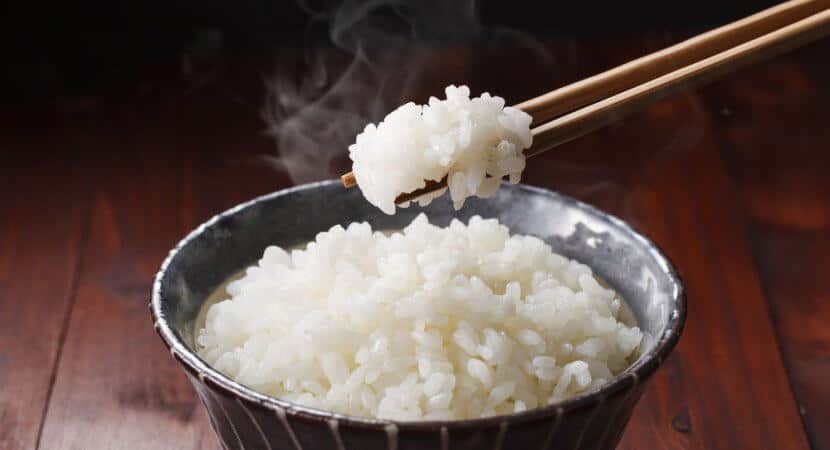
Rice is a staple food. Uncooked rice is called kome. The cultivation of rice in paddy fields traditionally required great cooperation between villagers and is said to have been central to the evolution of the Japanese culture. There are several thousand varieties of rice grown in Japan with koshihikari and akita komachi being among the most popular. Rice is also used to make mochi (rice cakes), senbei (rice crackers), and sake (rice wine).
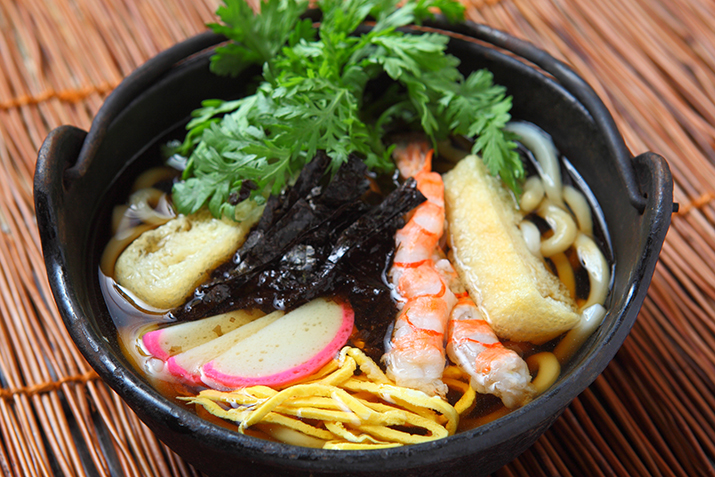
Noodles such as udon, soba, and ramen, are cheap and very popular for light meals. Udon noodles are made from wheat flour. They are boiled and served in broth, usually hot but occasionally cold in summer, and topped with ingredients such as raw eggs for tsukimi udon, and deep friend tofu aburaage to make kitsune udon. While udon and soba are believed to have come from China, Ramen is definitely a Chinese food.
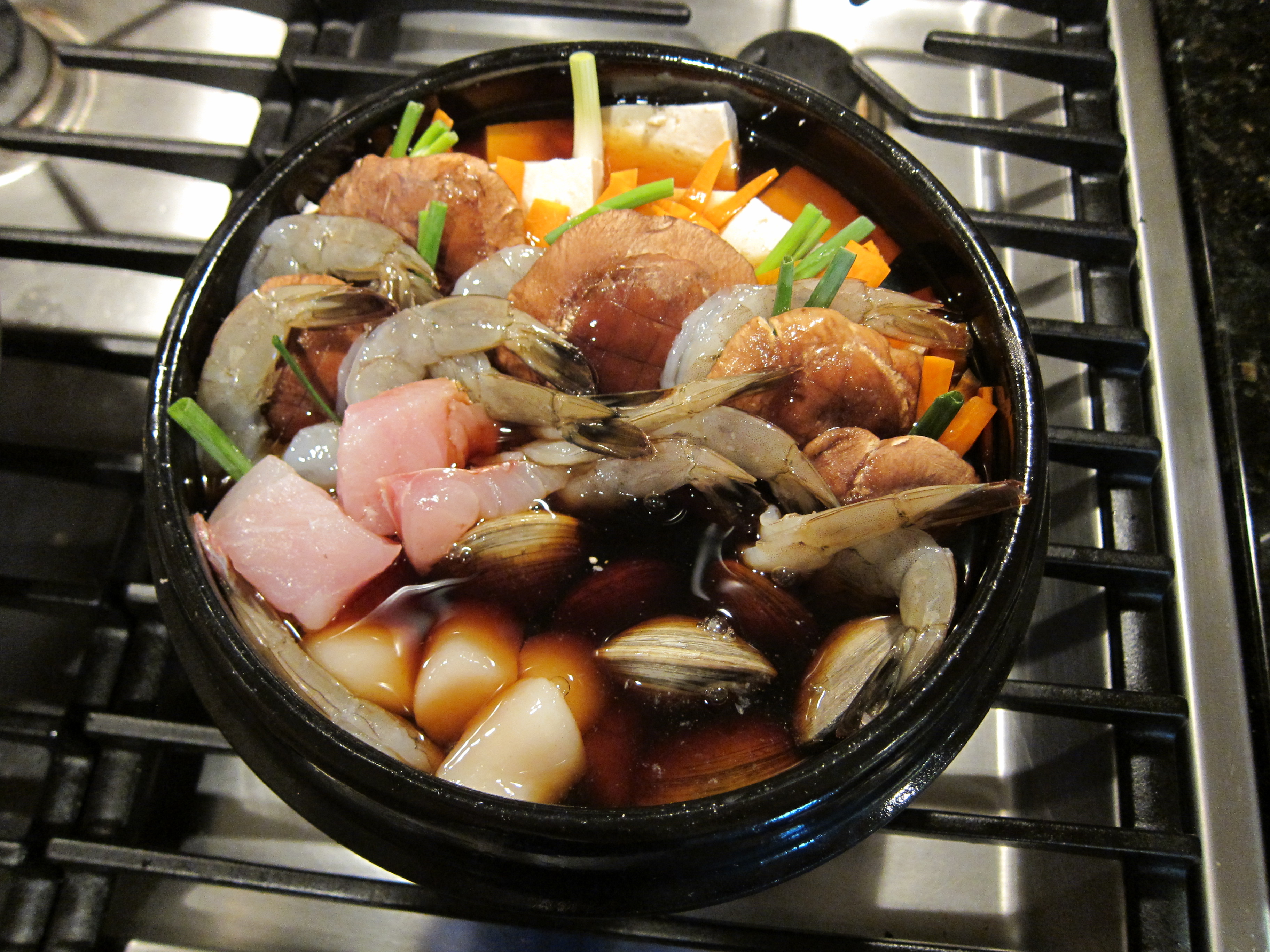
Japan takes great pride in its seafood, with many varieties of fish, squid, octopus, eel, and shellfish. Japanese people consume more fish than typical western countries and is said to be a major factor in the country’s relatively low rate of heart disease. Many people are surprised to learn that consuming meat was illegal in Japan until the ban was lifted during the Meiji Restoration in the 1870’s. As the country opened up to the western culture, eating habits began to change. Now meat is increasingly part of the everyday Japanese diet, with yakitori, yakiniku, gyudon, and the standard foreign and local hamburger chains restaurants across the country.
食のエチケット
Japanese Etiquette
:max_bytes(150000):strip_icc():format(webp)/japanese-dining-etiquette-1458301_FINAL-5c3cf10646e0fb0001fd209a.png)
Japanese food etiquette is a lot different than our American etiquette. Knowing how to use chopsticks is essential in Japanese dining. Their view on chopstick etiquette is, if you can’t handle chop sticks properly, how can you possibly handle important matters. Seems quite fair to have that mind set. You wouldn’t necessarily give important matters to someone who can’t handle utensils properly. Using chopsticks isn’t quite an easy task. But avoid lifting your food up by stabbing it with your chop sticks.
Like us, Japan has certain table manners. With chopsticks being their main utensil, never ever pass food with your chopsticks. This reminds Japanese of the ritual passing cremated bones between chopsticks at funerals. The last thing you would want to do is ruin someone’s meal with this morbid symbol.
After your meal, if you ate with disposable chopsticks, place them back into the paper and fold the ends. Otherwise, place your chopsticks sideways on your plate. Putting sticks next to your bowl says “I’m not finished eating”.
Tipping in Japan is actually not a common thing at all. It’s actually considered rude. Lastly, this etiquette I find fairly interesting. Like our tradition in the United States, it’s common to bring a gift when invited to someone’s home for dinner. However, do not bring anything in sets of four or nine as these numbers sound similar to the words death and suffering and are considered to be superstitious.

 Nippon Nuances